
Spring Crop Protection: How Leading Farms Plan Their First Spray Window
Every season, the first crop protection decisions set the trajectory for everything that follows. Spring crop protection planning is the process of scheduling, timing, and executing the first…
Barbara Busic

Every season, the first crop protection decisions set the trajectory for everything that follows. Spring crop protection planning is the process of scheduling, timing, and executing the first seasonal crop protection application based on scouting data, weather conditions, and product rotation strategy. Get the timing right, and you are ahead of pest pressure, managing risk with precision. Miss the window, and the rest of the season becomes reactive. That is why spring crop protection planning is one of the highest-leverage activities on any farm. This is especially true for large-scale specialty crop operations, where margin sensitivity is high.
This article walks through how leading farms approach their first spray window. It covers the data they rely on and the operational habits that separate proactive crop protection from costly guesswork.
Table of Contents
- Why the First Spray Window Matters More Than Any Other
- The Four Steps of Effective Spring Crop Protection PlanningStep 1: Systematic Field ScoutingStep 2: Weather Context in Spring Crop Protection PlanningStep 3: Product Selection and Rotation StrategyStep 4: Execution Tracking and Follow-Through
- Building a Repeatable Spring Crop Protection Planning SystemAre you ready to build a more structured approach to crop protection this spring?
Why the First Spray Window Matters More Than Any Other
The first application of the season is not just about treating what is already visible. It is about establishing a preventive baseline that protects the crop during its most vulnerable growth stages. For fruit orchards, vineyards, and berry operations, early fungicide applications are critical. A classic example is botrytis in grapevines, where a missed first spray window can turn a manageable pressure into a season-wide yield loss. They often determine whether a disease stays manageable or spirals into a yield-threatening problem.
Research estimates that various pests cause annual crop yield losses of 20-40% globally. A significant portion of that loss originates from delayed or poorly timed initial treatments. The farms that consistently protect their yields are the ones that treat the first spray window as a planned, data-informed decision rather than a reaction to visible symptoms.
The Four Steps of Effective Spring Crop Protection Planning
Step 1: Systematic Field Scouting
Spring crop protection planning starts in the field, not in the office. Leading farms establish a structured scouting routine before the season begins. This means defining which fields to scout first based on historical pest pressure, what to look for at each growth stage, and how the team records observations.
The difference between well-managed and average farms is not just scouting frequency but scouting consistency. When every observation is geotagged, timestamped, and linked to a specific field, it creates a decision-making layer that is impossible to replicate from memory. Learn how digital tools support field scouting.
Step 2: Weather Context in Spring Crop Protection Planning
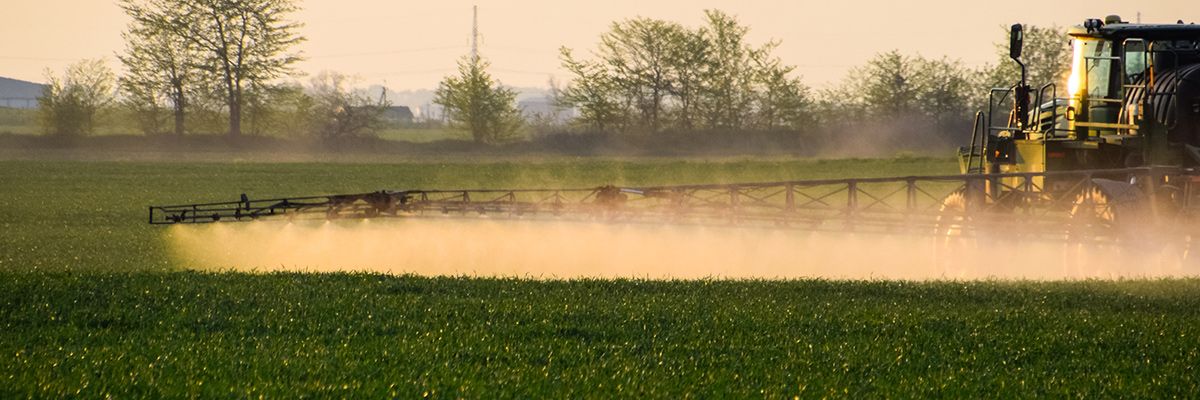
Scouting data alone does not determine timing. The spray window also depends on weather conditions. These include temperature thresholds for disease development, rain forecasts that affect application efficacy, wind speed that determines spray drift risk, and humidity levels that influence fungal growth. According to the FAO Pest and Pesticide Management guidelines, timing and weather context are among the most critical factors in effective crop protection decisions.
The most effective operations integrate weather data into their decision process systematically. They use either degree-day models for specific pests or simple rule-based alerts that flag when conditions favor infection. This is where technology plays a clear role, not by replacing agronomic judgment but by making the relevant data available when decisions need to happen.

Step 3: Product Selection and Rotation Strategy
Once timing is established, the next decision is which product to apply. For farms managing multiple crops or large acreage, active substance rotation is essential to prevent resistance build-up. The first spray of the season sets the rotation pattern for the rest of the year.
Leading farms maintain a documented rotation plan that accounts for the product’s mode of action, waiting periods, compatibility with other treatments, and regulatory compliance. This documentation also supports certification requirements, particularly for operations with sustainability or organic certifications.
Step 4: Execution Tracking and Follow-Through
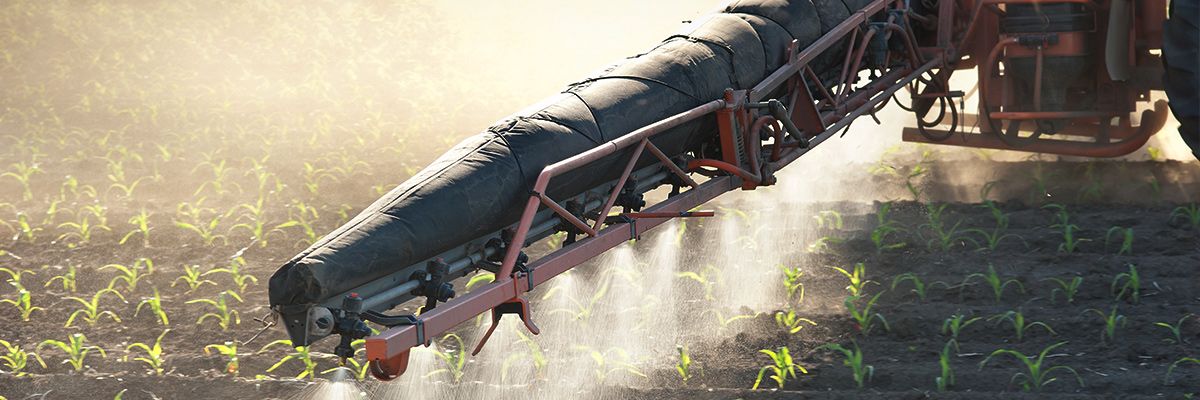
Planning the spray window is only half the job. The other half is ensuring the application happens as planned and that the results are tracked. Execution tracking means recording what was actually applied, at what rate, on which fields, and under what conditions. This data becomes the foundation for evaluating efficacy and adjusting the next application.
Farms that track execution digitally rather than on paper gain two advantages: they can compare planned vs actual application data in real time, and they build a season-over-season knowledge base that makes every subsequent year’s planning more precise. Explore how farm management software helps prevent yield loss through better risk management.
Building a Repeatable Spring Crop Protection Planning System
The farms that manage crop protection most effectively are not necessarily using the most expensive inputs or the most advanced technology. They are the ones that have turned spring crop protection planning into a repeatable system: scout, assess, decide, apply, track, evaluate. Each step feeds the next, and each season builds on the data from the one before.
Digital tools accelerate this cycle by reducing the time between observation and action. They make historical data accessible at the point of decision and ensure nothing falls through the cracks when the work spans multiple fields and team members. For a comprehensive view of how technology supports this process, read the full guide to precision farming.
Key takeaways: First spray timing determines season outcome. Effective spring crop protection planning requires systematic scouting, weather-informed timing, documented product rotation, and digital execution tracking.
Are you ready to build a more structured approach to crop protection this spring?
Request a personalized assessment to see how digital farm management can help your team plan, execute, and track crop protection with confidence.



Ready to digitalize your farm?
See how AGRIVI can help you apply these insights in your own operations.
Book a Meeting