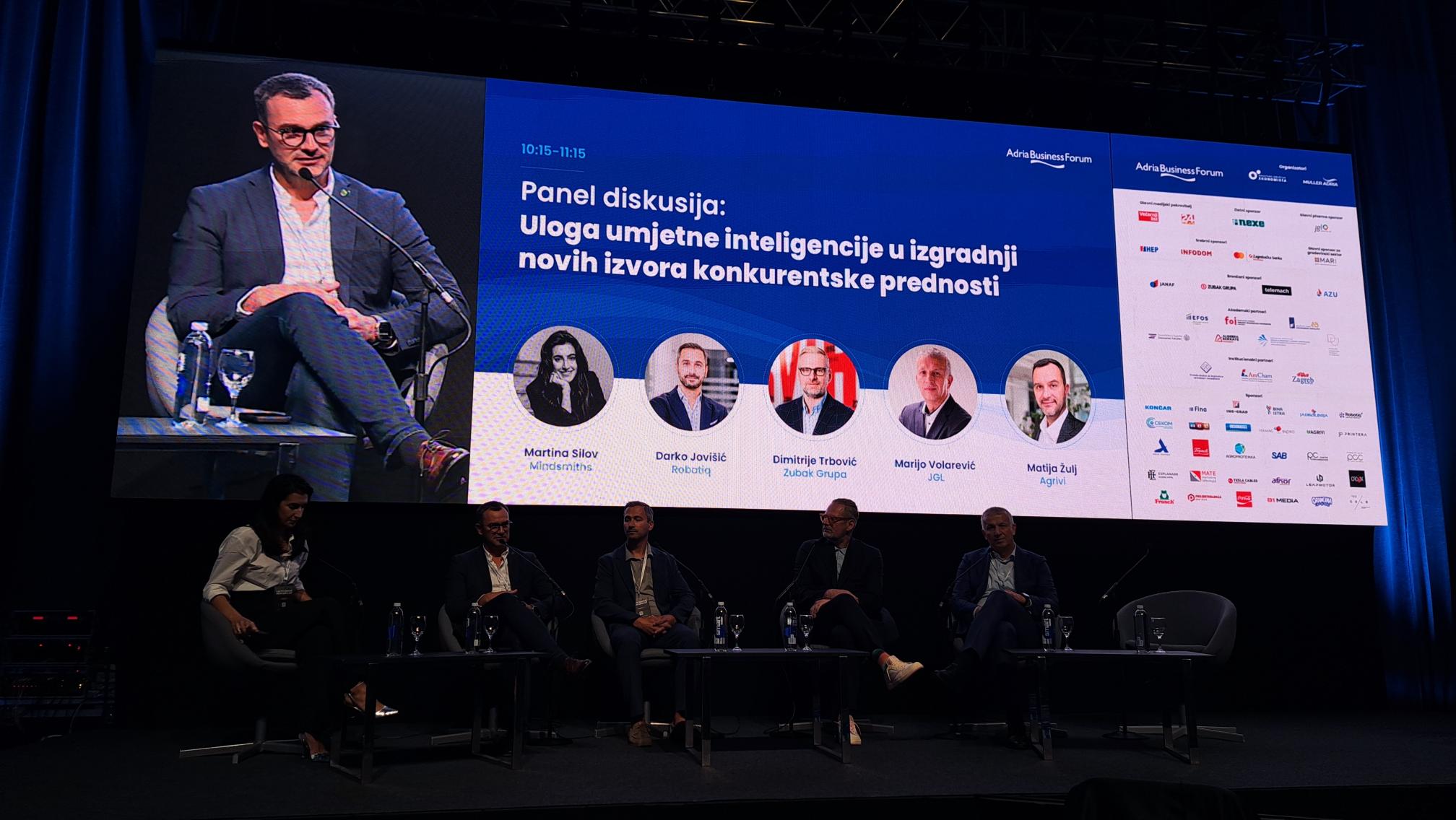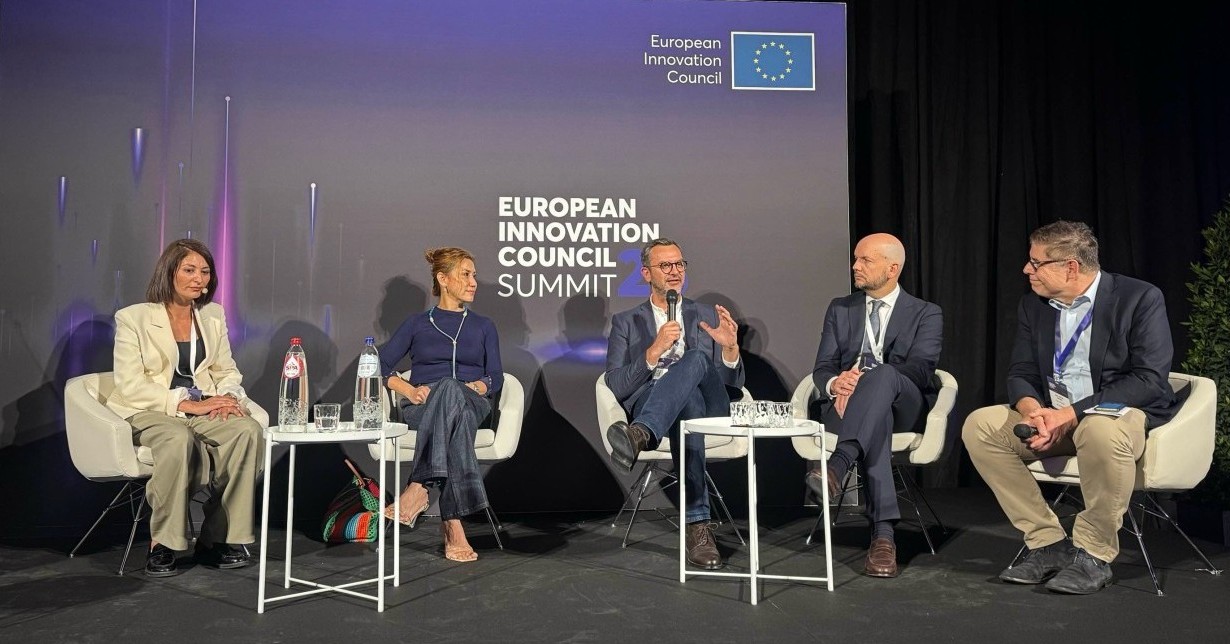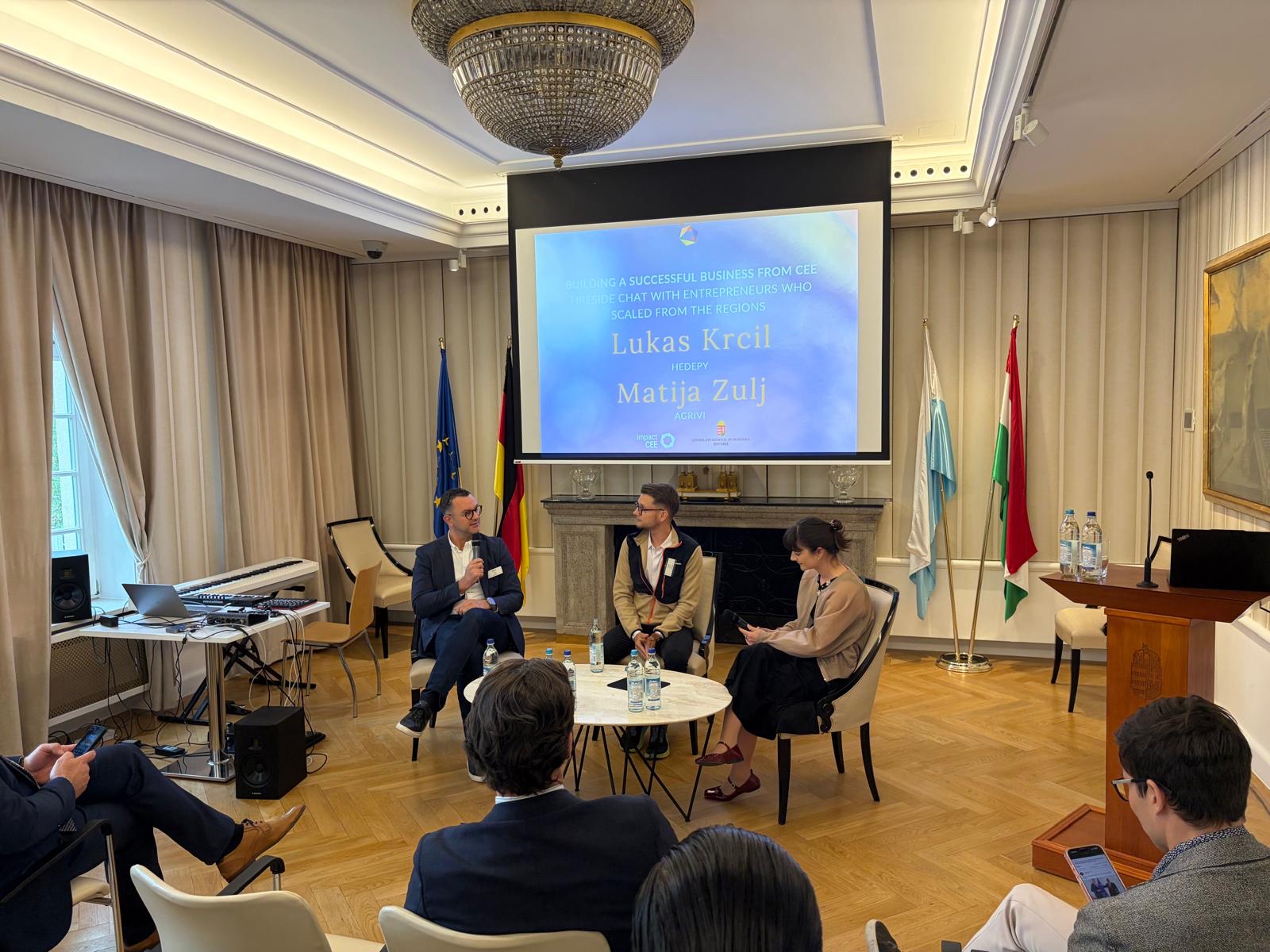
Matija Zulj presented five proposals for modernising EU farm statistics at the European Commission’s Implementation Dialogue in Brussels.
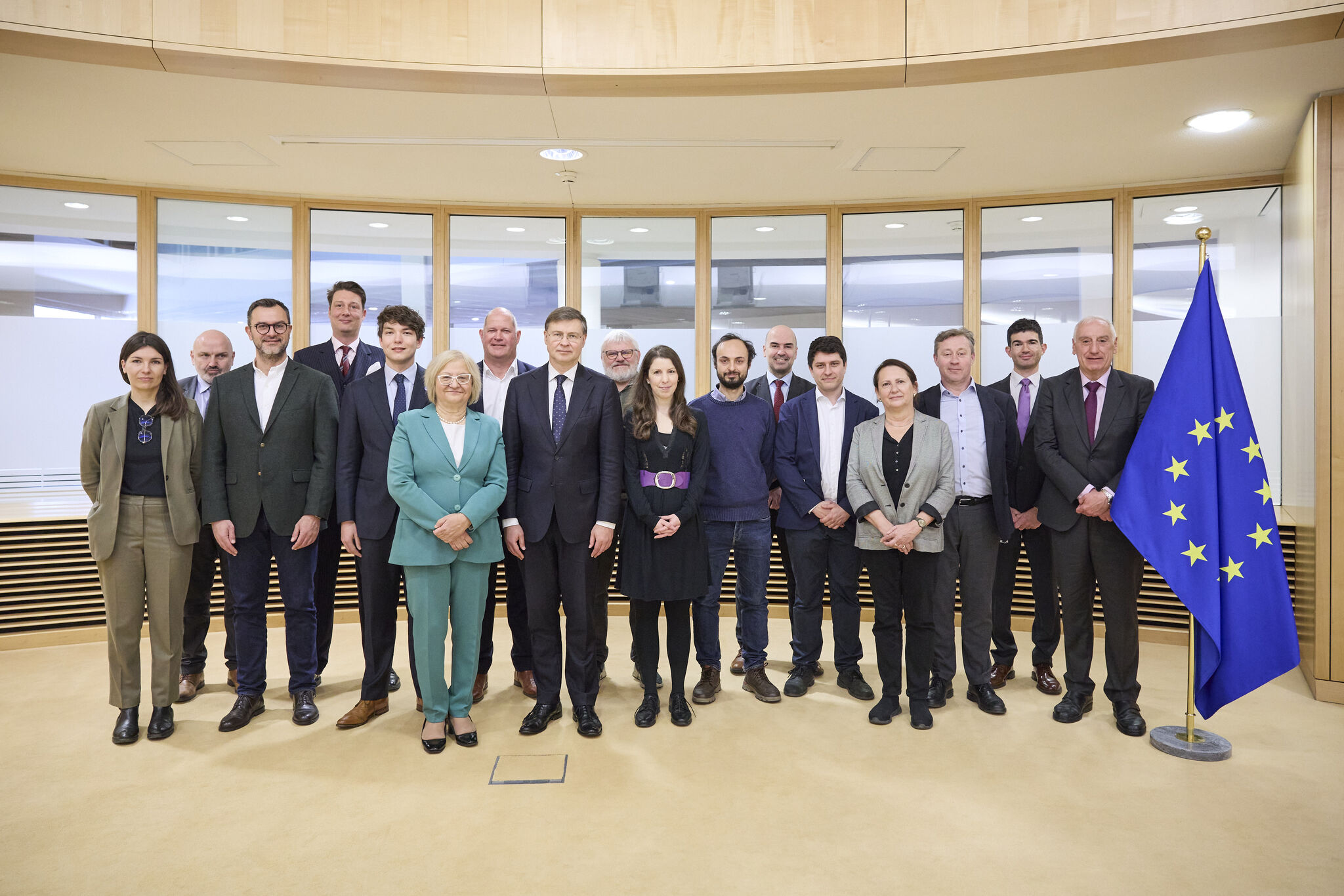
On 24 March 2026, AGRIVI CEO Matija Zulj joined the European Commission’s Implementation Dialogue on EU farm statistics in Brussels. Commissioner Valdis Dombrovskis chaired the closed session, and Eurostat Director-General Mariana Kotzeva introduced the topic.
The dialogue brought together a select group of around 20 participants. Specifically, the room included farmers’ representatives, agricultural businesses, national statistical authorities, and data users. Discussions focused on lessons learned from implementing Regulation (EU) 2018/1091 on integrated farm statistics, opportunities for simplification, and the evolving data needs of the agricultural sector.
Photo credit: European Commission / Valdis Dombrovskis via LinkedIn
Why EU Farm Statistics Need to Change
Every few years, millions of European farmers report detailed data about their operations to national statistical authorities. This includes land use, crop types, livestock numbers, labour, production methods, irrigation, and environmental practices. As a result, this data underpins EU agricultural policy, Common Agricultural Policy payments, and environmental monitoring.
The Commission has been working to reduce this reporting burden. In fact, the share of EU farm statistics variables sourced from existing administrative data has risen from 29% in 2016 to 40% in 2023. However, 60% of the data still requires direct collection from farms. In most cases, authorities gather this data through surveys conducted months after the season, with inputs rounded and yields estimated.
The Commission’s ambition is to move toward a principle of “collect once, reuse multiple times.” The Implementation Dialogue brought stakeholders together to find practical ways to make that happen.
The Agritech Perspective: Farm Data Already Exists
The Commission specifically invited Matija Zulj to bring the perspective of farm management software providers. His core message to the room was clear: the data that statistical authorities need already exists inside digital farm management platforms.
Therefore, the challenge is not collecting more data. It is building the standards and pipelines that allow existing records to reach statistical authorities automatically, with farmer consent, and at higher quality than traditional surveys.
As he put it: the real benefit of data for farms is driving productivity. Reporting needs to be a byproduct of that, not an additional obligation.
Five Proposals for Modernising EU Farm Statistics
During the dialogue, Matija presented five concrete proposals. Together, they outline how the EU can move from traditional survey-based collection to a system built on digital infrastructure:
1. AI is removing the technical barrier to data collection
Natural language interfaces are eliminating the technical barrier that has kept many farmers from using digital tools. For example, a farmer who has never used software can now interact with an AI advisor in their own language. The advisor provides guidance based on the farm’s data, and it captures new data through the conversation itself. In other words, the interface problem is being solved. However, the infrastructure underneath it is not yet in place.
2. API standardisation can enable automatic reporting
The agricultural sector has already proven that data standardisation works. ISOBUS demonstrated that machinery from different manufacturers can communicate through a common protocol. Similarly, standardised APIs would allow FMS platforms to report on behalf of farmers automatically, with consent. The data set required for statistical purposes is limited. As a result, a multi-stakeholder working group should be able to define a standard efficiently, building on work already in progress.
3. Incentivise technology vendors to move fast
Once standards are defined, the EU should incentivise technology vendors to implement them quickly. Short-term incentives for standards adoption would unlock a simple outcome: farmers could fulfil reporting obligations with a single click. This would replace lengthy survey processes entirely.
4. Push digital agriculture adoption broadly
Digital adoption in agriculture drops significantly with farm size. Consequently, data quality and representativeness drop too. For any data-reuse strategy to work at scale, digital agriculture solutions need to reach smaller farms as well. Once farms collect data digitally, multiple stakeholders should reuse it for statistical, regulatory, and certification reporting. This replaces the current practice of collecting the same information multiple times through separate processes.
5. Invest in farmer digital literacy
Tools without digital literacy produce incomplete data. The shift from experience-based to data-driven decision-making is fundamentally agronomic, not bureaucratic. Therefore, farmer education programmes that build digital competence alongside agronomic skills are essential for the success of any modernisation effort.
The Government Sets the Standards. The Private Sector Has Built the Tools.
Matija’s overarching message was clear: the role of government is to set the standards, build the data pipelines, and fund the gaps. Meanwhile, the private sector has already built the tools that capture, structure, and analyse farm data at scale. These tools are ready to connect to institutional data flows.
At AGRIVI, we have spent 13 years building farm management and AI solutions. Farms and agri-food companies across five continents use our platform. It already captures the kind of structured, time-stamped, field-level data that statistical authorities need: input applications, labour allocation, production volumes, costs, and environmental indicators.
In addition, the Implementation Dialogue marks a meaningful step toward a future where this data flows to where it is needed. Farmers should not have to fill out another form for data they have already recorded. The technology is ready. The data is there. What is needed now is a partnership approach from all stakeholders to unlock it.