
Permanent Crop Establishment
By definition, a permanent crop is one produced from plants that last for many seasons, rather than being replanted after each harvest. Permanent crops are perennial trees, bushes, or vine crops like…
Tanja Folnović

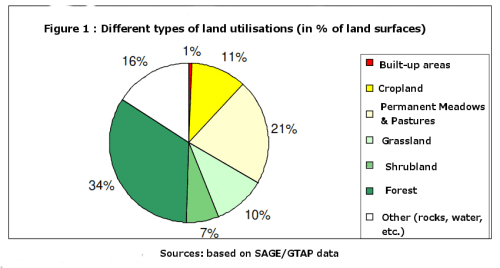
By definition, a permanent crop is one produced from plants that last for many seasons, rather than being replanted after each harvest. Permanent crops are perennial trees, bushes, or vine crops like citrus, apples, blueberries, nuts, or grapes. Although it represents a small segment in agriculture, some
11 percent (over 1.5 billion ha) of the globe’s land surface
(13.4 billion ha), it plays an important role in shaping the rural landscape and helping to balance agriculture within the environment.
Because of high costs, planting permanent crops is considered to be a “high stakes” farming operation. Today, success is imperative. Permanent crop producers must minimize risk as much as possible to ensure successful crop establishment. As with most other high-risk farming operations, it is important to plan ahead. Planning ahead not only improves the chances of successful permanent crops establishment but also greatly reduces the amount of personal worrying after it has been planted. Establishment depends on the complex interaction over planting time, soil, climatic, biotic, machinery and management factors. Natural conditions (climate, relief, soil) are fundamental factors that determine the choice for the establishment of permanent crops with economically justified production. According to Trent, certain fruit varieties can be grown in the following altitudes:
- Vineyard around 100-350 m
- Peach and olive trees to 300 m
- Chestnut to 600 m
- Nut to 900 m
- Pear and plum up to 1200 m
- Apple and cherry to 1400 m
- Hazel to 1800 m
An increase in altitude changes temperature conditions. Thus, for every 100 m above sea level, the median annual temperature decreases by 0.5-1 ° C, and the vegetation period by 7-10 days. It’s best to raise vineyards and orchards on the hilly terrain to the south, southwest, or southeast exposure that provide good insolation of orchard, and consequently a higher sugar content. Besides properly selected and prepared fields for achieving high and quality yields, it is necessary to ensure an optimum supply of all nutrient elements throughout the period of the growing season and also select rows direction. The most convenient row direction is the north-south. Rows should be placed in direction to rationalize all works: tillage, fertilization, and protection. On sloping, ground rows direction must be set so as to reduce erosion processes. Learn more about permanent crops establishment, farming, and other modern farming technologies with the help of AGRIVI farm management platform. Sign up today and start improving your production immediately!



Ready to digitalize your farm?
See how AGRIVI can help you apply these insights in your own operations.
Book a Meeting