
Precision Agriculture: What It Is, Technologies and Benefits
Precision agriculture, also called precision farming, uses data, GPS and sensors to manage each part of a field by what it needs. This guide covers the cycle, the technologies, benefits and how to start.
Tanja Folnovic
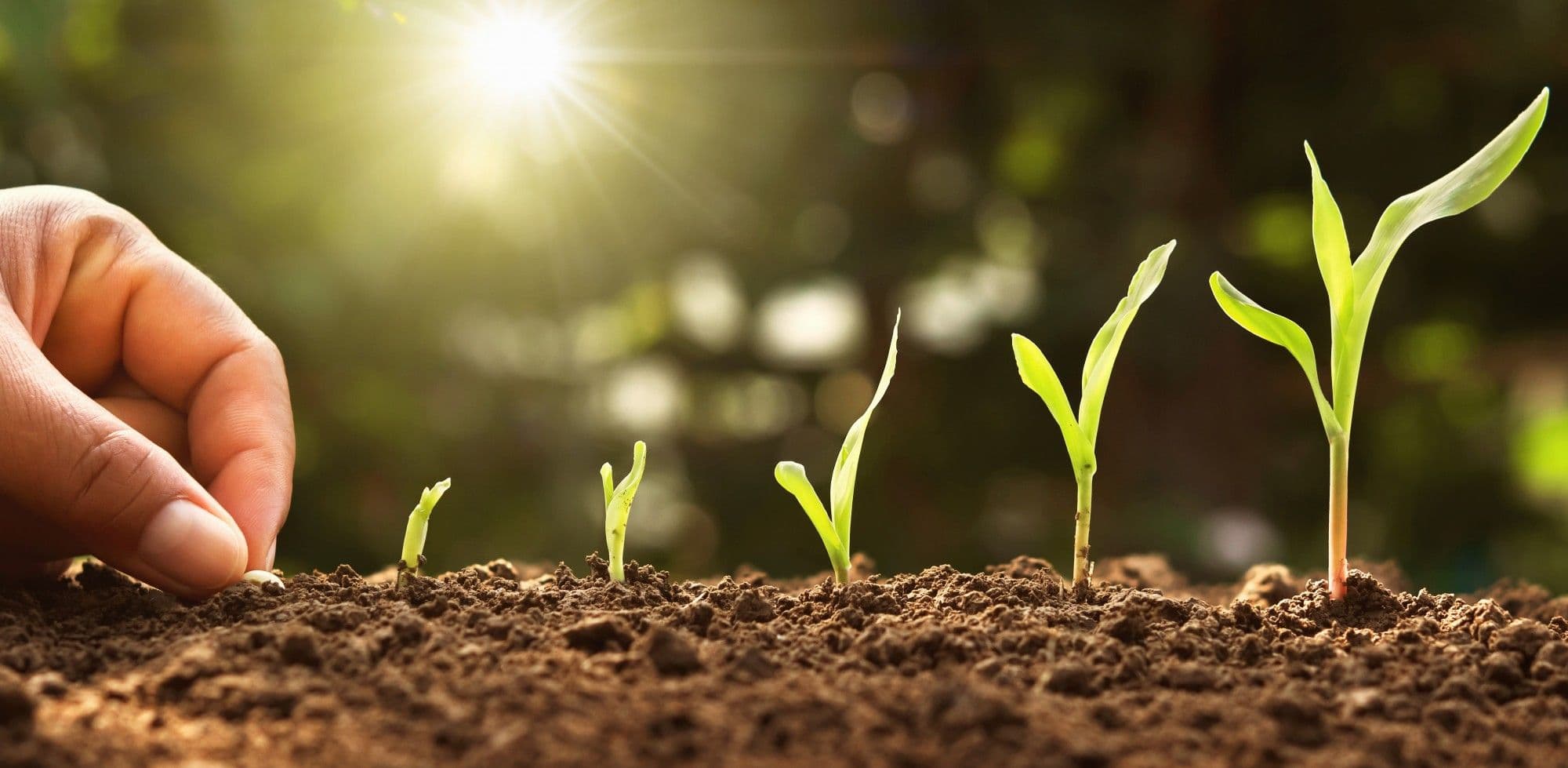
Precision agriculture, also called precision farming or site-specific crop management, is a way of farming that uses data, GPS and sensors to manage each part of a field by what it actually needs, instead of treating the whole field the same. Farmers vary seed, fertiliser, crop protection and water by location and time, to grow more with fewer inputs.
Fields are never uniform. Soil type, moisture, nutrients, pests and yield potential change from one corner to the next. Precision agriculture measures that variation and acts on it. This guide explains how it works, the main technologies, real examples, the benefits and challenges, and how to start without overspending.
At a glance
- Also called: precision farming, site-specific crop management, smart farming (loosely)
- Core idea: measure variation within and between fields, then manage each zone differently
- Key technologies: GPS and GIS, sensors, remote sensing, variable-rate technology, yield monitors, auto-steer, data analytics and farm management software
- Main benefits: higher or steadier yields, lower input costs, less runoff and fewer emissions, better records
- Main challenges: upfront cost, data overload, skills, connectivity and mixed equipment brands
What is precision agriculture?
Precision agriculture combines data collection and remote sensing with positioning systems (GPS) and geographic information systems (GIS) so farmers can respond to variability in the field. Instead of one rate for the whole field, they can apply seed, fertiliser, crop protection products or water at different rates by zone, or even by square metre.
The idea is not new technology for its own sake. It is making the same decisions farmers always make, such as how much to sow, feed, spray and irrigate, with better information and more precise tools.
The precision agriculture cycle
Most precision agriculture follows the same loop:
- Observe and measure. Collect data: soil samples and soil sensors, yield maps from previous harvests, satellite or drone imagery, weather data, scouting notes.
- Analyse. Combine layers in GIS or farm software to find zones that behave differently, such as low-yield patches or areas with high pest pressure.
- Decide. Turn the findings into a plan, for example a prescription map that says how much seed or fertiliser each zone should get.
- Act. Apply the plan with variable-rate equipment, guided by GPS, or with targeted scouting and spraying.
- Evaluate. Record what you did, measure the result at harvest, and use it to improve next season's plan.
The loop only works if the records from each step end up in one place, so you can compare what you did with what you got.
Precision agriculture technologies
- GPS and GIS. Satellite positioning tells machines and people where they are in the field to within centimetres, and GIS layers data onto maps so you can see and use variation.
- Auto-steer and guidance. GPS-guided tractors drive straight, repeatable lines for tillage, seeding, spraying and harvest, which reduces overlap and gaps.
- Sensors and IoT. Soil moisture probes, weather stations, soil electrical conductivity sensors and machine sensors collect data in real time.
- Remote sensing. Satellite, aircraft and drone imagery show crop growth and stress. Vegetation indices such as NDVI highlight areas that need a closer look, which you can then locate with GPS.
- Variable-rate technology (VRT). Equipment that changes the rate of seed, fertiliser, crop protection products or water as it moves, following a prescription map. See our guide to variable-rate technology.
- Yield monitors and yield maps. Combines record how much is harvested at each point in the field, which shows where the field over- and under-performs and feeds the next season's decisions.
- AI, machine learning and robotics. Software that spots weeds, pests or disease in images, and machines such as robotic weeders and harvesters. This is the least mature area.
- Data analytics and farm management software. The layer that holds field records, inputs, costs and results together, so the other technologies produce decisions instead of just data.
Examples of precision agriculture in practice
- Variable-rate fertiliser. Soil maps and past yield maps are combined into a prescription, so zones that need more get more, and zones that do not get less.
- Zone-based seeding. Seeding rates follow soil productivity zones, with higher rates in better soil.
- Targeted spraying. Imagery or sensors find where weeds, pests or disease are present, and crop protection products are applied there instead of across the whole field.
- Variable-rate irrigation. Center pivots and drip systems apply different amounts of water to different zones. See our center pivot guide.
- GPS guidance and section control. Machines avoid overlap, which saves seed, fertiliser, chemicals and fuel.
- Satellite scouting. Imagery flags stressed areas so you walk the field where it matters instead of everywhere.
Benefits of precision agriculture
Precision agriculture matters because inputs are expensive, fields vary and the environment pays for waste. Managing each zone by what it needs lets farms grow more with less, and it gives them the data to prove it. In 2021, a study by the Association of Equipment Manufacturers found that precision agriculture technologies had increased crop production by 4%, improved fertiliser placement efficiency by 7%, cut herbicide use by 9%, lowered fossil fuel use by 6% and saved 4% of water. Results vary a lot by farm, crop and how well the tools are used.
Higher and steadier yields
Matching seed, nutrients, crop protection and water to what each zone can use removes the weakest links in a field. Yield maps and prescriptions help you spot and fix consistently low-performing areas, and keep the best zones at their potential.
Lower input costs
Fertiliser, seed, crop protection products and water are applied where they pay back, not evenly across the field. Variable-rate application and section control cut overapplication and double application. Reduced overlap in spraying has been reported to save in the order of 10% of spraying costs.
Less fuel, soil compaction and labour
GPS guidance and auto-steer cut overlaps and unnecessary passes. That means lower fuel use, less soil compaction, fewer hours of hired labour and more timely sowing and spraying.
Better decisions from real-time data
Sensors, satellite and drone imagery and weather data give an up-to-date picture of soil and crop conditions, such as moisture, nutrient status and plant health. You see problems early and act when it still pays, instead of finding out at harvest.
More sustainable farming
Applying inputs only where needed reduces fertiliser runoff, the volume of crop protection products used and fuel consumption, which means a smaller environmental footprint.
Quality and less waste
Matching inputs to need can improve crop quality and reduce field waste, which matters when buyers specify grades and sizes.
Better farm records for compliance, sale and succession
Recording data from seed to harvest creates a record you can use for compliance, traceability, certification and analysis. Detailed field histories also support the sale of land or a business and the handover to the next generation, because a buyer or successor can see what each field has produced. Our guide to agriculture traceability explains what to record.
Putting the data to work
Benefits depend on turning data into action. A farm management system keeps maps, records and costs in one place, so you can compare results by field and practice. The section below on managing precision agriculture data explains how, and AGRIVI 360 FMS is built for it.
Challenges of precision agriculture
- Upfront cost. Equipment, sensors and software add to a lean budget. Weigh the likely gains against the costs.
- Data overload. Many farmers have more data than they have time or tools to use, spread across machines, apps and spreadsheets.
- Skills and time. Analysing the data and building prescriptions takes expertise.
- Connectivity. Rural internet and mobile coverage can limit real-time tools.
- Mixed equipment. Machines and sensors from different brands often use different data formats and do not talk to each other.
- Uneven benefits. The gain depends on how much your fields vary. Very uniform fields benefit less.
How to start with precision agriculture
You do not need everything at once. A practical path:
- Start with a problem, such as high fertiliser costs, uneven yields or too much overlap, instead of a technology.
- Collect baseline data. Yield records, soil samples and field boundaries cost little and tell you where the variation is.
- Add one or two tools that address the problem, such as guidance, soil sampling by zone or satellite imagery.
- Keep all records in one system so you can compare what you applied with what you harvested.
- Review after each season and add technology only where it paid for itself.
How to manage precision agriculture data in farm management software
Precision agriculture only pays off if data turns into decisions. AGRIVI 360 FMS gives farm managers one place to:
- Record every field operation and input by field, crop and date, including seed, fertiliser, crop protection products, irrigation and the costs
- Compare inputs and costs with yield and quality per field and crop, to see where variable-rate applications pay off
- Plan and assign work to teams and machines, with labour and equipment costs
- Keep a full record from seed to harvest for traceability and compliance
Learn more about AGRIVI 360 FMS · Book a meeting
For more on tools farmers use today, see digital agriculture and top farming apps.
Precision agriculture FAQs
What is precision agriculture?
Precision agriculture is a way of farming that uses data, GPS, sensors and other technology to manage each part of a field by what it needs, instead of applying the same amount everywhere.
What is the difference between precision agriculture and precision farming?
Nothing in practice. Precision agriculture and precision farming are two names for the same approach, also called site-specific crop management.
What technologies are used in precision agriculture?
GPS and GIS, auto-steer, sensors and IoT, remote sensing (satellites, drones and aircraft), variable-rate technology, yield monitors, data analytics and farm management software, and, increasingly, AI and robotics.
What are examples of precision agriculture?
Variable-rate fertiliser and seeding based on soil and yield maps, targeted spraying, variable-rate irrigation on center pivots, GPS-guided tractors that avoid overlap, and satellite scouting.
What are the benefits of precision agriculture?
Better decisions, lower input costs, higher or more stable yields, less runoff and fewer emissions, and better records. A 2021 industry study reported gains of about 4% in production and savings of 4–9% on fertiliser, herbicide, fuel and water. See the full list in the benefits section above, including fuel, labour and compaction savings and better records for compliance, sale and succession.
Why is precision agriculture important?
Because it lets farms produce more with fewer inputs. By managing variation within fields, it cuts waste of fertiliser, crop protection products, water and fuel, protects the environment and gives farmers the data to support decisions, compliance and sales of land or crops.
How does precision agriculture improve farm productivity?
It improves yield by giving each zone what it needs, reduces cost by cutting overlap and overapplication, saves time and fuel through guidance and automation, and improves decisions through real-time data on soil and crops. Records of what worked also help plan the next season.
What are the advantages and disadvantages of precision agriculture?
Advantages: better decisions, lower input costs, higher or steadier yields, less fuel, labour and runoff, and better records. Disadvantages: upfront cost, data overload, the skills needed, patchy rural connectivity and equipment that does not share data. The benefit depends on how much your fields vary.
What are the disadvantages of precision agriculture?
Upfront cost, too much data to use well, the skills it needs, patchy rural connectivity and equipment that does not share data. The benefit depends on how much your fields vary.
Is precision agriculture only for large farms?
No, but scale helps. Large farms spread the cost over more land. Smaller farms can start with low-cost steps such as soil sampling by zone, yield records and satellite imagery, and add equipment later or hire services.
How does precision agriculture make farming more sustainable?
By applying inputs only where needed, it reduces fertiliser runoff, the volume of crop protection products and fuel use, and the records it creates support traceability.

Ready to digitalize your farm?
See how AGRIVI can help you apply these insights in your own operations.
Book a Meeting